


20 October 2026
Medical cannabis comes to Spanish hospitals: Who will be eligible to receive it, and for which conditions?
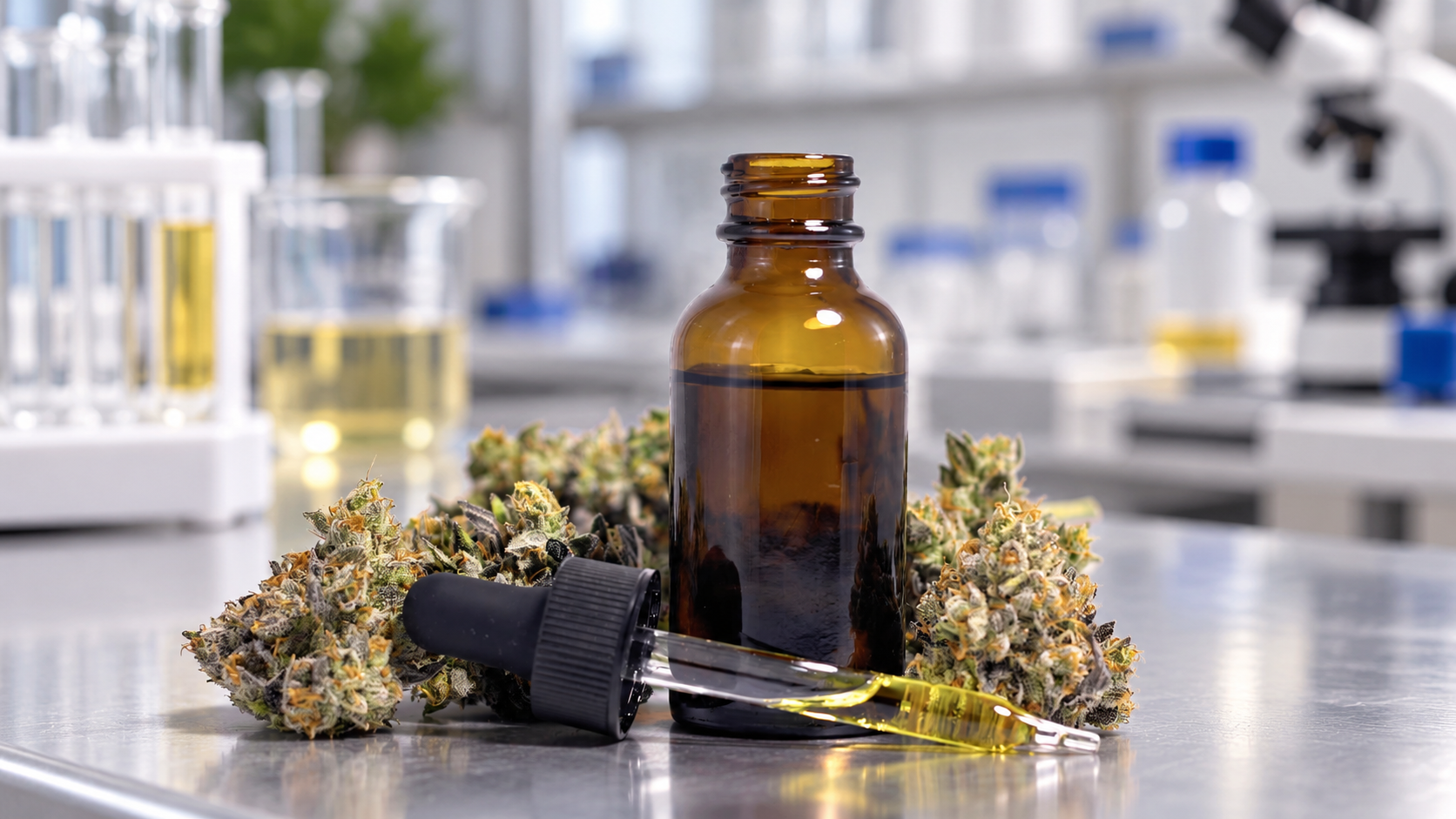
Living with constant pain, suffering muscle spasms that make daily tasks difficult, or enduring intense discomfort during cancer treatment are situations that affect more than just the physical body. For those who have spent years trying medications without achieving sufficient improvement, finding an alternative to relieve these symptoms becomes a necessity.
From now on, some of these patients will be able to count on a new option: medicinal cannabis. After decades of debate and a year since the approval of its regulation, Spanish hospitals are beginning to receive preparations made from cannabis to treat certain diseases and symptoms that have not responded adequately to other treatments.
According to El País on October 17, one of the first authorized companies plans to distribute these preparations in around 50 public and private healthcare centers. Their arrival will be gradual and subject to medical criteria, so not all patients or hospitals will have immediate access.
What the arrival of medicinal cannabis really means
Although the therapeutic use of cannabis has been researched for decades, its incorporation into Spanish hospitals has followed a slower path. In October 2025, the Government approved a royal decree establishing the conditions for producing, prescribing, and dispensing standardized cannabis preparations for medical purposes.
Spain already had authorized medications containing cannabinoids, the active substances present in this plant. The novelty is that now hospital pharmacy services will be able to prepare formulas tailored to each patient's needs, using extracts whose composition and quality are controlled.
The importance of this lies in the fact that the effects of cannabis depend, among other factors, on the substances it contains, their concentration, and the amount administered. Pharmaceutical preparations allow these data to be known and doses to be adjusted under medical supervision.
Its use is also reserved for certain situations in which usual treatments have not sufficiently controlled symptoms.
Which patients may benefit from these treatments
The regulation contemplates four situations in which cannabinoids have evidence of possible benefits.
One is chronic pain resistant to other treatments, affecting people who continue to experience intense or persistent pain despite having tried different treatments. In some patients, cannabinoids manage to reduce part of that pain, although their efficacy varies and improvements are not always sufficient.
Their use is also contemplated for people with multiple sclerosis who present spasticity, a condition that causes muscle stiffness, spasms, and difficulties performing usual movements. In certain cases, cannabinoid-based medications help relieve these symptoms and facilitate some daily activities.
Another application is related to severe forms of epilepsy resistant to medication. Some people, including children with certain epileptic syndromes, continue to suffer frequent seizures despite receiving treatment. Cannabidiol, one of the cannabis components, is already used in authorized medications for certain forms of this disease.
Finally, it has also been considered for controlling nausea and vomiting caused by chemotherapy when usual medications do not provide sufficient relief. These symptoms can hinder eating, resting, and recovery for those undergoing oncological treatment.
In all these cases, assessment must be individual. Having one of these diagnoses does not guarantee receiving medicinal cannabis, as specialists must determine if there is a clinical justification for its use.
THC and CBD: why not all preparations work the same
Although we speak of medicinal cannabis generally and it may cause some confusion by being associated with recreational marijuana use, not all preparations have the same effects. It all depends on the substances they contain and the amount used, something doctors consider when choosing the most appropriate treatment for each patient.
Among its components are THC, known for its psychoactive effects but also used to relieve certain symptoms such as pain, nausea, or muscle stiffness, and CBD, which does not produce that intoxication sensation and has proven useful against some severe forms of epilepsy.
Precisely because of these differences, the preparations arriving at hospitals will have controlled compositions and will be administered in doses adapted to each patient, in the form of oral solutions and not smoked cannabis.
How a patient can access medicinal cannabis
Access will require a prescription from a specialist doctor, while the hospital pharmacy will prepare and dispense the treatment. Before recommending it, the professional must have reviewed the disease progression, previous treatments used, and the reasons why they consider this alternative appropriate.
Therefore, it will not be a product that can be requested directly at a conventional pharmacy, nor an alternative available for anyone experiencing pain or having trouble sleeping. Additionally, it is regulated to require periodic evaluation of whether the treatment is providing sufficient improvement. If results are unfavorable or significant adverse effects appear, its continuation must be reconsidered.
What we know about its efficacy and what risks exist
The arrival of medicinal cannabis to Spanish hospitals has generated expectations, especially among those who have spent years seeking a way to relieve their symptoms. However, although these treatments have already demonstrated their usefulness in certain diseases, doubts remain about their benefits in others.
For example, cannabidiol medications have managed to reduce seizure frequency in some severe forms of epilepsy. In the case of chronic pain, results are less conclusive, with generally small improvements that also vary from one patient to another.
Also, possible side effects should be kept in mind, such as dizziness, drowsiness, coordination problems, or digestive discomfort. Preparations containing THC require greater caution due to their effects on the nervous system and possible interactions with other medications.
For this reason, medical follow-up plays a fundamental role. Specialists must check how each patient responds and adjust doses according to benefits obtained and side effects, aiming for the treatment to help improve quality of life without adding new complications.
The real test will be in the results
The arrival of these treatments will allow observing their efficacy beyond clinical trials, in real patients with different needs and medical histories, as well as helping to identify which profiles respond better and under what circumstances the benefits outweigh possible risks.
Because in the end, the success of medicinal cannabis will not be measured by the number of hospitals that incorporate it, but by the results it manages to offer patients.

